


Emergency garden clearance same day gardeners Finchley
Posted on 12/11/2026
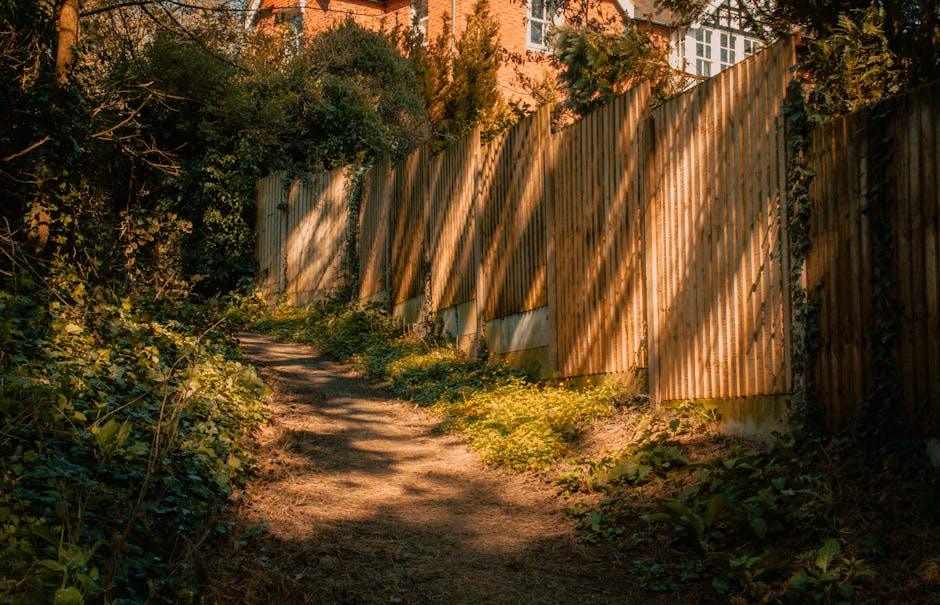
Emergency garden clearance same day gardeners Finchley: fast, safe, practical help when your outdoor space needs clearing now
If your garden has suddenly tipped from "a bit untidy" into "we need this dealt with today", you are not alone. Emergency garden clearance same day gardeners Finchley is the kind of service people usually look for after storm damage, a surprise tenant handover, an unsafe overgrown yard, or a pile-up of branches, rubble, and green waste that simply can't wait. The goal is simple: restore order quickly, reduce risk, and leave the space usable again without fuss.
In real life, emergencies are rarely elegant. One heavy night of wind, a broken fence panel, a fallen branch across the path, or ivy swallowing access to a bin store can change the whole feel of a property in minutes. This guide explains what same-day garden clearance involves, how it is usually carried out in Finchley, what to expect on the day, and how to choose the right help for the job. It also covers practical best practice, common mistakes, and the small details that make a rushed clearance go smoothly instead of turning into a mess. Let's get into it.
Why Emergency garden clearance same day gardeners Finchley Matters
When a garden becomes unsafe, blocked, or overwhelming, the issue is no longer cosmetic. It can affect access, hygiene, neighbour relations, property presentation, and even day-to-day use of the home. In Finchley, where many gardens are compact, terraced, and tightly bordered, a fast intervention can make a bigger difference than people expect. A few bags of waste, a collapsed shrub, or a thicket of weeds might sound minor, but once paths, gates, or sheds are partially blocked, the problem escalates quickly.
There is also a simple emotional side to it. Walking into a garden that looks neglected, flooded with debris, or damaged after weather can be draining. Sometimes you just want the place to feel manageable again. That is exactly where emergency garden clearance same day gardeners Finchley earns its keep: not by "redesigning everything", but by stabilising the space first.
In our experience, the situations that drive urgent calls tend to fall into a handful of patterns:
- storm debris, snapped branches, and scattered leaves
- rapid overgrowth after a period away from the property
- mess left behind after builders, removals, or tenant changeovers
- unsafe access routes caused by bramble, ivy, or dumped materials
- visibly poor presentation before an inspection, viewing, or family event
If the issue is affecting safety, access, or habitability, waiting a week often makes things worse. To be fair, gardens have a habit of proving that point all by themselves.
How Emergency garden clearance same day gardeners Finchley Works
Same-day clearance is usually more straightforward than people imagine. The team arrives with the aim of making the garden safe, passable, and tidy in one visit where possible. The exact process depends on the size of the space and the amount of waste, but a well-run job typically follows a clear sequence.
First comes a quick assessment. The gardeners look at access, hazards, waste type, and anything that needs a careful approach, such as broken glass, unstable branches, sharp metal edging, or damaged fencing. If the work is urgent because of a hazard, this stage matters more than most people realise. A rushed start without checking the site can lead to avoidable damage, especially around patios, lawns, and timber structures.
Next, the team prioritises the heaviest or most awkward material. That may mean cutting down overgrowth, removing fallen limbs, lifting green waste, clearing paths, or loading spoil into bags and containers. If the garden needs a broader reset, the crew may combine clearance with garden maintenance in Finchley so the result does not just look cleared, but genuinely cared for.
After the obvious obstacles are removed, the final pass is about detail. Edges are tidied, loose debris is gathered, and access points are checked again. When needed, the team may advise on follow-up work such as tree surgery services, hedge trimming, or even fence repair if the original problem has revealed deeper issues. That is often the sensible route. Clear the emergency first, then deal with the underlying cause.
A small but important point: same-day doesn't always mean "everything in one sweep no matter what." If a garden is extremely large, heavily contaminated, or full of mixed waste, the best team will be honest about what can be done safely in the time available. That honesty is a good sign, not a drawback.
Key Benefits and Practical Advantages
The obvious benefit is speed. But if that were the only reason to use urgent garden clearance, the service would be much less valuable. The real advantages are broader and more practical.
- Immediate safety improvement: clear paths, fewer trip hazards, less chance of cuts, slips, or blocked exits.
- Access restored: gates, bins, sheds, and side returns become usable again.
- Better presentation: important before property visits, landlord checks, or family events.
- Prevents further damage: overgrowth and fallen material can strain fences, decking, paving, and planting beds.
- Reduces stress: a messy outdoor space can feel mentally heavier than people expect.
- Creates a clean starting point: once the emergency is removed, longer-term improvements are easier to plan.
There is also a practical cost argument, though it is best handled carefully. A timely clearance can sometimes prevent a problem from becoming a bigger project. For example, a blocked drain edge or rotting branch may be a much smaller issue if addressed promptly, rather than left to damage nearby structures. Not every urgent job turns into a larger repair, of course, but some do. And when they do, early action usually helps.
If your space later needs more substantial reshaping, local options like landscaping in Finchley or general gardening services can build on the cleared base instead of fighting against a neglected site.
Who This Is For and When It Makes Sense
This service suits more people than you might think. It is not only for "extreme" gardens. It is for anyone whose outdoor space has tipped beyond what a routine tidy-up can solve in time.
Common examples include:
- Homeowners preparing for a sale, survey, or family gathering
- Landlords and letting agents needing fast turnaround between occupiers
- Tenants who need to return a garden in decent condition before moving out
- Older residents who cannot safely tackle heavy lifting or dense overgrowth
- Busy households with little time to manage a sudden mess after bad weather
- People returning from holiday to find the garden has gone wild in their absence
It also makes sense when the garden is not exactly "neglected", but one event has made it unmanageable. A sudden branch fall, a broken panel, a turf of weeds after wet weather, or an overfull corner full of green waste can all justify urgent help. You do not need to wait until the place looks abandoned. Truth be told, the earlier you act, the cleaner the outcome usually is.
If the issue is mostly about routine tidying rather than urgency, a scheduled lawn mowing service or ongoing maintenance plan may be enough. The trick is matching the response to the scale of the problem. That sounds obvious, but people often overbuy or underreact.
Step-by-Step Guidance
If you are arranging urgent garden clearance for the first time, a simple process helps keep things calm. Here is a practical way to handle it.
- Walk the garden and identify the priority problem. Is it debris, overgrowth, a blocked access route, or structural damage?
- Take a few photos. They help explain the scope quickly, especially if you are asking for same-day attendance.
- Separate obvious hazards. If it is safe to do so, note anything sharp, broken, or unstable so it can be handled carefully.
- Decide the outcome you need. Do you want full clearance, a safety-focused tidy-up, or partial removal with follow-up work later?
- Check access. Side gates, parking, and rear entry points can affect how quickly a team can work.
- Confirm waste expectations. Ask how green waste, mixed waste, and bulky material are handled.
- Stay available for a quick site check. A five-minute chat on arrival often saves a lot of back-and-forth later.
- Review the finished area. A proper handover should leave you confident that the urgent issues are genuinely sorted.
That sequence may look basic, but it removes the usual friction. And when time is tight, removing friction is half the win. The actual cutting, carrying, and loading tends to go faster when the plan is clear from the start.
For anything that has started climbing through walls, railings, or a tired boundary line, it can help to look at specialist support such as hedge trimming in Finchley or, where the structure has been affected, fencing work to prevent the same problem reappearing.
Expert Tips for Better Results
A rushed clearance can still be done well. The difference usually lies in a few small decisions.
Start with the access route, not the prettiest part of the garden. If the front path, side return, or back gate is blocked, clear that first. It makes the rest of the work safer and more efficient.
Ask for the end state, not just the task. For example, "clear the back garden and make it safe for children to use" is more helpful than "remove the mess". It gives the team a standard to work toward.
Watch for hidden damage. Ivy can mask cracked mortar, and tangled growth can hide broken edging or unstable timber. Sometimes the garden looks like a plant problem, but it is partly a surface problem too. If climbing plants are part of the issue, the article on combating ivy growth is a useful follow-up read.
Don't treat all green waste the same. Thick branches, wet hedge cuttings, and loose leaves behave very differently in the load. Good clearing is part judgement, part muscle.
Plan the next step before the team leaves. If the space will need planting, reshaping, or a more finished look, it is easier to decide now than after everything has been stacked neatly and the old problem has vanished. A bit annoyingly, a cleared garden can make the next decision feel more obvious than you wanted.
Also, if the clearance is happening after a storm, do not rush onto the property and start dragging heavy branches yourself. Broken wood can spring, shift, or hide sharp edges. Let the professionals handle the awkward pieces.

Common Mistakes to Avoid
Most clearance problems do not come from bad intentions. They come from moving too quickly or assuming the job is simpler than it really is.
- Leaving the job too late. Overgrowth gets denser, waste gets heavier, and the clean-up becomes more expensive in effort.
- Mixing clearance with a full redesign. Emergency work is about stabilising first. Design can come after.
- Ignoring access and disposal. A garden that is easy to work on but hard to exit can still slow everything down.
- Trying to remove dangerous debris by hand. Glass, splintered wood, and unstable branches deserve proper care.
- Forgetting about the cause. If a hedge, tree, or slope repeatedly creates the same issue, the underlying problem needs attention.
- Choosing the cheapest response without asking what is included. "Cleared" can mean very different things from one provider to another.
A common one is expecting all waste to disappear without asking how it will be handled. Better to be clear upfront. If there are decking offcuts, patio rubble, or damaged panels mixed into the garden waste, they may need separate treatment. For related work around outdoor surfaces, it may be worth exploring patio cleaning or decking services once the urgent clearance is done.
Tools, Resources and Recommendations
Good emergency clearance depends on having the right tools, but also the right sequence. It is not just about strength. A clean result comes from matching the tool to the material.
| Task | Typical tool or approach | Why it matters |
|---|---|---|
| Dense overgrowth | Secateurs, loppers, brush cutters | Lets the team open up the space safely and quickly |
| Fallen branches | Sawing tools, gloves, controlled lifting | Reduces strain and lowers the risk of injury |
| Mixed green waste | Heavy-duty sacks, wheelbarrows, load planning | Keeps removal efficient and prevents repeated carrying |
| Hidden debris | Careful raking and manual inspection | Useful for finding glass, wire, or broken fixtures |
| Boundary issues | Repair assessment after clearance | Prevents the same mess from returning straight away |
For readers who prefer a more organised approach to longer-term gardening, the site's gardening services page gives a sensible route from emergency tidy-up to regular upkeep. If the job is more about redesigning the whole outdoor feel after clearance, landscaping support may be the better next step.
Some useful habits also come from general garden planning, not just clearance work. For instance, regular pruning, seasonal waste reduction, and light maintenance can stop a future emergency from building up unnoticed. The blog archive has a few relevant reads, including organic waste recycling, essential tools, and storm-resilient garden planning.
Law, Compliance, Standards and Best Practice
This kind of work is not usually complicated from a legal point of view, but there are still sensible standards to follow. In the UK, waste must be managed responsibly, and garden waste should not simply be dumped wherever it is convenient. A reputable team will know how to separate green waste from mixed rubble or household items and will avoid leaving you with a disposal headache.
It is also good practice to be careful around shared boundaries. If branches, roots, or overhanging growth affect a neighbour's side, the work should be done respectfully and without creating avoidable disputes. Nobody needs a garden clearance to become a row over fences at 8 in the morning. That's one of those situations everyone would rather skip.
For trees or unstable woody growth, safety comes first. If there is any doubt about the stability of a limb, wall-facing trunk, or leaning stem, a proper assessment is wiser than a quick cut. In those cases, tree surgery is often the safer follow-up rather than treating it as ordinary green waste.
Best practice also includes:
- wearing suitable protective equipment
- keeping walkways clear during the job
- handling sharp or broken material separately
- avoiding unnecessary damage to paving, lawns, or walls
- checking that the final area is safe to re-enter before leaving
If you are ever unsure whether something in the garden is only overgrown or actually hazardous, err on the cautious side. A careful pause is usually cheaper than a rushed mistake.
Options, Methods and Comparison Table
Not every urgent garden problem needs the same answer. Here is a simple comparison that helps you decide what kind of help fits best.
| Approach | Best for | Pros | Limitations |
|---|---|---|---|
| Same-day emergency clearance | Unsafe, blocked, or time-sensitive gardens | Fast, practical, stabilises the space quickly | May not include full restoration or redesign |
| Scheduled garden maintenance | Ongoing upkeep and prevention | Keeps the space under control long-term | Not designed for urgent hazards |
| Targeted hedge or lawn work | Specific overgrowth or presentation issues | Efficient for focused problems | Won't help much with wider debris or damage |
| Full landscaping follow-up | Gardens needing a bigger reset after clearance | Creates long-term structure and better usability | Takes more planning and often multiple visits |
In plain terms, emergency clearance is the "make it safe and workable now" option. Maintenance is the "keep it that way" option. Landscaping is the "make it better for the future" option. The best result often comes from using all three in the right order.
Case Study or Real-World Example
A Finchley homeowner returned after a few weeks away and found the back garden had become a tangle of wet leaves, broken twigs, and fast-growing weeds. A bin area was half-blocked, a side path was slippery, and a low branch had come down near the fence during windy weather. Nothing dramatic in a movie sense, but enough to make the space awkward and slightly unsafe.
The first priority was access. The side path was cleared, the fallen material was removed, and the main hazard zones were checked for sharp debris. After that, the dense growth at the edges was cut back so the boundaries could breathe again. The visible effect was immediate: the garden felt larger, brighter, and less stressful. More importantly, it became usable.
What happened next was the part people often forget. Instead of stopping at the clearance, the owner booked a follow-up trim and a more structured maintenance plan. That meant the return to normal happened in stages. First the mess was removed, then the garden was made easy to live with again. Simple, really, but effective.
A job like that can also reveal what the next improvement should be. Sometimes it is a hedge. Sometimes it is drainage. Sometimes it is just better routine care. The clue is usually right there once the clutter is gone.
Practical Checklist
Use this quick checklist before and during an urgent clearance request. It keeps things focused when you are busy or stressed.
- Identify the main problem: debris, overgrowth, access block, or storm damage
- Take clear photos if possible
- Note any sharp, heavy, or unstable items
- Check how the team will access the garden
- Decide whether you need clearance only or clearance plus follow-up work
- Ask what will happen to green waste and mixed waste
- Confirm whether the job should include paths, bins, and side returns
- Walk the site after the work and make sure the hazards are gone
- Book maintenance if the cause is likely to return
Expert summary: the best emergency garden clearance is calm, fast, and practical. It deals with the risky parts first, clears access second, and leaves you with a garden that feels manageable again. That is the real value, not just the visible tidy-up.
Get a free quote today and see how much you can save.
Conclusion
When a garden suddenly becomes unsafe or unmanageable, speed matters, but judgement matters just as much. Emergency garden clearance same day gardeners Finchley is about more than removing mess. It is about restoring control, protecting property, and giving you breathing room again. That can mean clearing a storm-hit path, opening up an overgrown access route, or simply removing enough clutter for the space to feel like yours again.
The strongest results usually come from a steady sequence: clear the emergency, deal with any structural or planting issues, then put a maintenance rhythm in place so the same problem doesn't creep back. It is not glamorous. It is practical. And to be honest, practical is exactly what most urgent gardens need.
If you take one thing from this guide, let it be this: don't wait for a small garden problem to become a whole weekend you regret. Get the dangerous, blocking, or overwhelming bits handled first, then build from there. A garden can recover faster than people think. Sometimes it just needs a decent start.

Possessing many years of experience in the gardening business, Don emerges as a skilled author who can write a variety of articles covering a wide range of landscaping topics. His proficiency has proven crucial in assisting thousands of individuals with their gardening needs.