


Gardeners for Tally Ho area front lawns and terraces
Posted on 19/10/2026
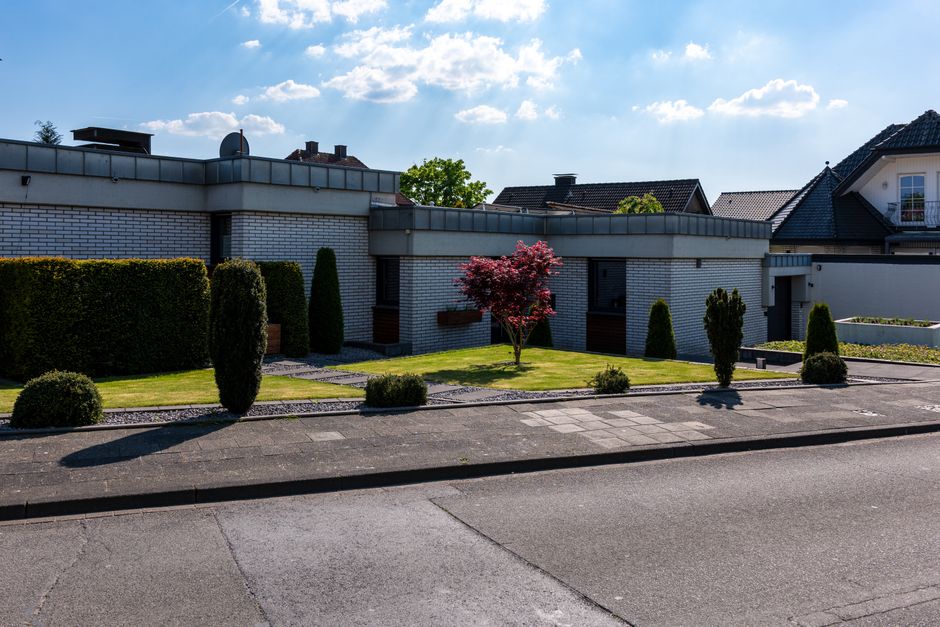
Front lawns and terraces do a lot of quiet work. They frame the home, soften the street view, and create that first impression before anyone even reaches the door. In the Tally Ho area, where many properties balance compact front gardens, paved terraces, and everyday foot traffic, the right gardening approach can make the difference between "fine" and genuinely welcoming. Gardeners for Tally Ho area front lawns and terraces need to handle both presentation and practicality, and that is exactly where careful maintenance pays off.
Whether your space is a neat strip of grass, a paved terrace with pots, or a mixed front garden with hedging and borders, the job is not just about tidying up. It is about planning for shade, drainage, hard wear, seasonal growth, and the reality of busy London living. This guide walks through what matters, how the work is done, what to avoid, and how to decide which services or techniques suit your property best.
Why Gardeners for Tally Ho area front lawns and terraces Matters
Front gardens are not back gardens in disguise. They are exposed, more visible, and usually more constrained. A terrace at the front of a property has to cope with dust, leaf fall, road splash, winter staining, and people coming and going. A front lawn has to survive shade from walls or trees, patchy soil, and the occasional shortcut across the grass. A good gardener understands those pressures straight away.
In a built-up area like Tally Ho, even small outdoor spaces can carry a lot of visual weight. A crisp lawn edge or a well-kept terrace can lift the whole frontage. It also supports practical things: safer footing, healthier planting, less weed pressure, and a cleaner route to the doorway. Let's face it, if your front approach looks neglected, you feel it every time you come home.
There is also a value angle. A tidy, balanced front garden usually feels more cared for than a random patchwork of tired turf and stained paving. That does not mean you need a show garden. It means your space should look intentional. A straightforward maintenance plan can do more than a big one-off tidy-up that is never followed through.
For many homes, the sweet spot is a mix of lawn care, terrace cleaning, planting structure, and edge definition. If any of those pieces are ignored, the whole picture can slip. A terrace without regular cleaning gets slippery and dingy. A lawn without seasonal feeding or mowing discipline gets thin and uneven. A hedge without trimming starts shading the rest of the front garden. Small issues, but they stack up.
How Gardeners for Tally Ho area front lawns and terraces Works
The process usually starts with a simple assessment of the site. What gets sun? What stays damp? Where do people walk most often? Is the lawn there for display, family use, or a bit of both? Is the terrace mainly hard landscaping, or does it carry planters, climbers, and seating? A sensible gardener reads the space before picking tools or planting choices. That first read matters more than people think.
After that comes a plan. For a front lawn, this may include mowing frequency, edging, scarifying where needed, feeding, overseeding patchy areas, and adjusting cutting height to the season. For a terrace, it often means cleaning moss and grime, checking drainage, pruning surrounding planting, and choosing pots or containers that do not overwhelm the area. If the garden has hedges or small trees, those can be integrated into the schedule too.
A practical service can also connect different tasks together. For example, a front lawn may need the grass managed alongside hedge shaping and general garden maintenance. A terrace may benefit from a clean-up plus fresh planting to make the paving feel softer. In many cases, the best results come from treating the whole frontage as one little ecosystem, not as isolated jobs.
Here is a simple way to think about it:
- Lawn: keep the grass dense, even, and properly edged.
- Terrace: keep the paving safe, clean, and visually balanced.
- Planting: choose plants that suit exposure, light, and maintenance levels.
- Structure: use borders, containers, fencing, or hedges to create shape.
If you are exploring broader support, gardening services in Finchley N2 can cover the bigger picture, while garden maintenance in Finchley N2 suits regular upkeep for front spaces that need consistency rather than one-off attention.
Key Benefits and Practical Advantages
A well-managed front lawn or terrace gives you more than a neat look. It makes daily life easier. You are less likely to walk through mud, fewer weeds get established, and the whole entrance feels calmer. That sounds simple, but simple is good. Simple is often what lasts.
For lawns, the benefits are clear: better coverage, fewer bare patches, cleaner edges, and a surface that responds better to regular mowing. For terraces, good maintenance reduces algae build-up, keeps the surface safer, and helps any planting or furniture feel more intentional. The space becomes usable, not just visible.
There is also a seasonal payoff. In spring, a controlled lawn and clean terrace make it easier to reset after winter. In summer, tidy borders and thoughtful planting reduce stress in dry spells. By autumn, leaves and debris are easier to manage if the space is already organised. In winter, the benefits of clear paths and proper drainage become very obvious, rather quickly too.
Other practical advantages include:
- Better drainage and less surface mess around paving and edges
- Improved kerb appeal without needing a full redesign
- Lower ongoing effort when the maintenance rhythm is right
- Healthier plants because the space is not overcrowded or neglected
- Less visual noise at the front of the property
If your terrace sits beside planting beds or screening features, adding structure can help enormously. Some homeowners pair front maintenance with landscaping support to improve layout, or use patio cleaning to get a fresh, safer surface without changing the whole design.
Who This Is For and When It Makes Sense
This kind of gardening support is a fit for plenty of different households. It is not just for people with large front gardens or expensive paving. In fact, some of the most demanding spaces are small ones, because every detail shows. A patchy lawn in a narrow frontage can look rough very quickly. A stained terrace right by the front door? Hard to ignore.
You will probably benefit from professional help if any of these sound familiar:
- You do not have time for regular mowing, weeding, or terrace cleaning.
- Your front garden has awkward shade, shallow soil, or heavy foot traffic.
- The lawn looks thin, mossy, or uneven despite regular cutting.
- The terrace collects dirt, algae, or leaves and becomes slippery.
- You want a smarter frontage but do not want a full redesign.
- Hedges, climbers, or small trees are starting to crowd the space.
It also makes sense when you are preparing a property for visitors, tenants, or sale. First impressions are quick. People notice whether the grass is clipped, whether the entrance feels welcoming, and whether the terrace looks cared for. There is no grand theory behind that; people just pick up on it. Every time.
For some homes, the issue is not overgrowth but underuse. The space feels like a pass-through rather than part of the home. In that case, the right gardener can suggest a few low-key changes, such as planter placement, improved edging, or a cleaner planting rhythm. If you want ideas that stay easy to live with, low-maintenance garden ideas are worth a look.
Step-by-Step Guidance
Here is a straightforward way to approach front lawn and terrace care without making it overcomplicated.
- Assess the space honestly. Look at sun, shade, drainage, traffic paths, and the current condition of the lawn or terrace. Be honest here. If the lawn gets no direct light for most of the day, treat it like a shade challenge, not a standard turf patch.
- Set one clear priority. Maybe the terrace is slippery. Maybe the lawn is patchy. Maybe the hedge is swallowing the light. Fix the biggest problem first.
- Choose a maintenance rhythm. For lawns, that usually means cutting, edging, and feeding at the right intervals. For terraces, it means sweeping, washing, moss control, and plant management.
- Improve structure. Use borders, containers, edging, or screening to define the space. Even a tiny frontage benefits from shape.
- Refresh planting carefully. Pick plants that suit the front of house conditions. A sunny terrace wants different species from a shaded, windy frontage.
- Check the surface and safety. Uneven paving, loose grouting, and slippery patches need attention before they become a hassle.
- Review seasonally. What worked in May may be a mess by October. Front gardens need a little seasonal adjustment, not just a one-time tidy.
For many properties, a practical starting point is to combine mowing with a wider care plan. That is where lawn mowing in Finchley N2 becomes useful, especially when the grass needs a reliable cut pattern and proper finishing around edges and borders.
If the front space includes hedges or boundary planting, trimming them at the right time can change the entire feel of the frontage. A balanced border keeps daylight moving through the space and prevents the front garden from looking cramped. Hedge trimming in Finchley N2 is often the quiet fix that makes everything else look better.
Expert Tips for Better Results
One of the biggest mistakes people make is treating a front lawn like a rear lawn. The needs are different. Front spaces often have more shade, more debris, and more pressure from public view. So the solution has to be a bit more disciplined, a bit more visual, and frankly a bit more forgiving of wear.
Tip 1: Keep edges sharper than the lawn itself. A clean edge makes a modest lawn look deliberate. Even if the middle is not perfect, a precise border changes the whole reading of the space. Funny how that works, but it really does.
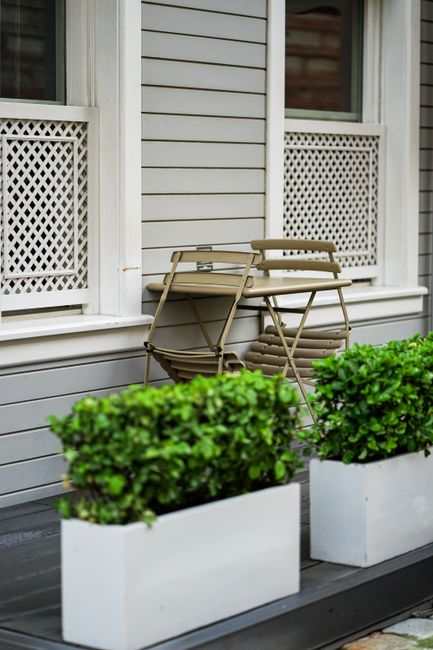
Tip 2: Use containers to soften hard surfaces. Terraces often feel cold when they are all paving. A couple of well-chosen containers can break that up without taking away circulation space. If you want a more design-led approach, creative seating areas can help you think about arrangement in a practical way.
Tip 3: Match plant choice to the weather exposure. A windy front terrace is not the place for fussy planting that flops at the first gust. If that sounds familiar, wind dynamics in your backyard is a useful concept to keep in mind. Wind changes what survives and what just looks sad by Tuesday.
Tip 4: Do not let weeds become a season-long project. Small weeds are quick. Large weeds are annoying. Very annoying. If the terrace joints or lawn edges keep filling with them, tackle the cause rather than only the symptom. That may mean better edging, more frequent weeding, or surface cleaning.
Tip 5: Keep a little seasonal flexibility. Summer cuts, autumn leaf management, and winter protection all need different attention. There is no single perfect routine for every month. A good gardener adjusts rather than forcing the same plan all year.
For a more technical edge on planting and structure, you might also find it helpful to review planting techniques tips and the practical ideas in essential tools for your gardening space. Those are the sorts of details that save time later.
Common Mistakes to Avoid
Most front lawn and terrace problems are not dramatic. They are cumulative. A few missed cuts, a bit of moss, some blocked drainage, and suddenly the space feels tired. The fix is usually much simpler than the mess it looks like, but only if you catch it early.
- Cutting the lawn too short. It may look neat for a day, then it weakens the turf and invites stress.
- Ignoring terrace cleaning. Dirt and algae are not just cosmetic; they can create slipping risks.
- Overcrowding pots and planters. Too many containers can make a terrace feel cramped and cluttered.
- Choosing plants only for looks. If the plant hates the site, it will struggle. Simple as that.
- Letting hedges or climbers block light. Front lawns need enough light to stay strong, especially in shaded streets.
- Forgetting the edges. Loose edging, untidy borders, and ragged transitions make even healthy lawns look neglected.
There is also the classic mistake of doing everything at once without a plan. That usually means wasted effort, a few half-finished jobs, and a mildly irritated weekend. Better to sequence the work properly. Start with the biggest pressure point, then move outward.
If ivy is part of the problem, don't just pull at it and hope for the best. Persistent growth often needs a more careful approach. Combatting ivy growth gives a good idea of why this is worth handling properly. Ivy can be charming. Until it is not.
Tools, Resources and Recommendations
A front garden does not need a massive toolkit, but it does need the right basics. If the job is maintenance rather than a full redesign, practical tools matter more than fancy ones. You want equipment that helps you move quickly and cleanly through routine tasks.
- Sharp mower blades for a cleaner lawn cut
- Border shears or edging tools for crisp lawn lines
- Stiff broom or patio brush for daily terrace sweeping
- Pressure or hose washing setup suited to the surface material
- Hand fork and weeder for bed and joint maintenance
- Pruning tools for light hedge and shrub shaping
- Containers with proper drainage for terrace planting
Some homeowners also benefit from a broader refresh. If the frontage needs more than mowing and weeding, a little redesign can help. A garden makeover approach may be useful if the space feels awkward or dated. For more structural changes, vertical gardening is a clever option for tighter terraces where floor space is limited.
If you want a softer lawn effect without fighting bare areas forever, ground cover ideas can be useful in the right settings. Ground cover plant selections can help bridge tricky zones, especially where standard turf does not like the conditions.
For those who prefer a more natural cycle, kitchen and garden waste can be managed thoughtfully too. Organic waste recycling is a handy reminder that healthy gardens are often built from small, repeated habits rather than big moments.
Law, Compliance, Standards, or Best Practice
For front lawns and terraces, the compliance side is usually less about paperwork and more about sensible practice. That said, there are still a few things to keep in mind. If you are working near a pavement, shared boundary, or road-facing frontage, be careful not to obstruct access or create trip hazards. It sounds obvious, but it gets missed when people are rushing.
Waste handling matters too. Green waste, old soil, and removed plant matter should be dealt with responsibly, and any contractor should be clear about how waste is collected or disposed of. For terraces, use cleaning methods that suit the surface; aggressive washing can damage stone, loosen pointing, or leave marks. Best practice is usually the boring choice, which is inconvenient but true.
When trees or larger woody plants are involved, the work may need more care than a simple trim. A tree that overhangs a terrace or shades a front lawn can sometimes be part of the overall problem. In that case, tree surgery in Finchley N2 may be the appropriate next step, especially where safety, clearance, or plant health are in question.
Professional gardeners should also follow common horticultural standards: clean cuts on shrubs, sensible mowing heights, appropriate planting spacing, and careful attention to surface safety. Nothing flashy. Just work done properly. That's the standard that lasts.
Options, Methods, or Comparison Table
If you are deciding how to manage a front lawn or terrace, it helps to compare the main approaches. There is no single right answer. It depends on the size of the space, how visible it is, and how much time you want to spend on upkeep.
| Approach | Best for | Strengths | Trade-offs |
|---|---|---|---|
| Regular mowing and edging | Simple front lawns | Clean appearance, easy upkeep, low disruption | Needs consistency; patchy turf still needs care |
| Terrace cleaning and light planting | Paved front spaces | Safer surfaces, better first impression, manageable upkeep | May need repeat treatment for algae, moss, or staining |
| Full garden maintenance | Mixed front gardens | Balanced result across lawn, borders, hedges, and hardscape | More regular attention required |
| Landscaping refresh | Spaces that feel awkward or dated | Can improve layout, flow, and visual structure | More planning and possibly more cost |
In practice, many Tally Ho homes benefit from a mixed approach: keep the lawn sharp, the terrace clean, and the planting simple. If the frontage needs more structure, the next layer of help often comes from fencing solutions or decking services, especially when you want to frame the space without making it feel fenced-in or overworked.
Case Study or Real-World Example
Take a typical small front frontage: a narrow lawn on one side, paving near the path, a hedge line close to the boundary, and two planters near the doorway. On paper, nothing unusual. In reality, it looked messy because each element had drifted out of rhythm. The lawn was cut, but unevenly. The terrace had a dull film of dirt. The hedge had grown just enough to shade the lawn. Nothing dramatic, just enough to make the whole front feel tired.
The first step was not a redesign. It was control. The lawn was mown to a consistent height and the edges were cleaned up. The terrace was swept, washed, and cleared of leaf debris. The hedge was trimmed back slightly to let in more light. Two containers were repositioned so the entrance felt framed instead of crowded. Small changes, really. But the effect was immediate.
What stood out most was not the individual tasks; it was how they worked together. The lawn looked greener once it had room. The terrace looked larger once it was clean. The entrance felt calmer once the plant lines were balanced. That is the quiet strength of good gardening. No drama. Just a better space to come home to, and to be honest that matters more than a lot of people admit.
This is also where ongoing maintenance comes in. A one-off tidy helped, but the frontage only stayed tidy because the upkeep followed a schedule. If the hedge had been left to run again, the improvement would have faded fast. It always does.
Practical Checklist
Use this checklist if you want to keep your front lawn or terrace in good shape between visits or seasonal jobs.
- Grass is cut at a sensible height, not scalped.
- Edges along paths, beds, and paving are clean.
- Terrace surfaces are swept and free from slippery build-up.
- Weeds are removed before they spread through joints or borders.
- Hedges or shrubs are not blocking too much light.
- Containers have drainage and are not overcrowded.
- Drainage points and run-off areas are not blocked by leaves or soil.
- Any dead, damaged, or weak growth has been cleared away.
- Planting suits the light, exposure, and watering pattern of the site.
- The front entrance feels tidy, safe, and easy to walk through.
If you can tick most of those boxes, you are already ahead of the game. If not, do not worry. Front spaces often need a bit of correction before they settle down. That is normal.
Get a free quote today and see how much you can save.
Conclusion
Front lawns and terraces deserve proper attention because they set the tone for the whole property. In the Tally Ho area, where space is often compact and visibility is high, smart gardening is less about excess and more about precision. Good mowing, clean hard surfaces, thoughtful planting, and tidy boundaries all work together.
If you want a frontage that looks cared for without becoming high-maintenance, the answer is usually a steady routine backed by the right expertise. Some spaces only need regular upkeep. Others need help with layout, hedges, or terrace cleaning. The best outcome is the one that suits your home and your real life, not a glossy ideal that falls apart after two weeks.
When the entrance feels ordered, the whole house feels more settled. That is the lovely bit, really. Small space, big difference.

Possessing many years of experience in the gardening business, Don emerges as a skilled author who can write a variety of articles covering a wide range of landscaping topics. His proficiency has proven crucial in assisting thousands of individuals with their gardening needs.