


N3 gardeners for Fortis Green and East Finchley beds
Posted on 04/11/2026
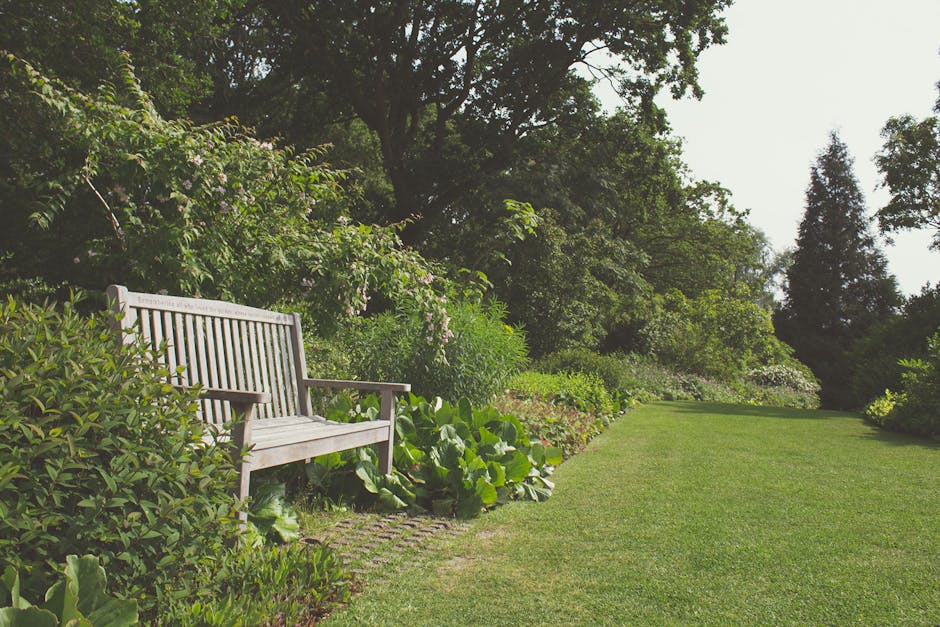
N3 gardeners for Fortis Green and East Finchley beds: a practical local guide to healthier, tidier gardens
If you live in or around N3 and you're trying to keep beds in Fortis Green or East Finchley looking calm, shaped, and genuinely cared for, you already know the awkward bit: beds are where a garden either feels finished or looks slightly forgotten. They catch the eye first. They also seem to collect every weed, wind-blown leaf, and half-healthy shrub that was "fine last month". This guide on N3 gardeners for Fortis Green and East Finchley beds explains what good local garden work looks like, how the process usually runs, and what to check before you commit to any maintenance plan. No fluff. Just the things that actually help.
For many homes, bed care is not about one big makeover. It's about rhythm. Regular pruning, sensible planting, weed control, seasonal refreshes, and the odd stubborn patch that needs proper attention. That's where a steady, skilled approach makes all the difference. If you want the bigger picture of ongoing upkeep, it can help to look at garden maintenance in Finchley N2 alongside broader gardening services for Finchley N2, because beds rarely work well in isolation. They sit inside the whole garden, after all.
And yes, if your beds are in a state after winter, you are not alone. Truth be told, most people underestimate how fast a border can slide from "pretty decent" to "where did that come from?"
Why N3 gardeners for Fortis Green and East Finchley beds matters
Bed maintenance is not just about keeping things neat. It affects how the whole garden feels, how plants compete, how water moves through the soil, and how much work you'll have to do later. In Fortis Green and East Finchley, where gardens often mix mature planting with smaller urban spaces, beds can become high-maintenance surprisingly quickly. A border that is slightly overgrown in May can be a complete tangle by late summer.
Good bed care matters because it solves several problems at once. It controls weed pressure, protects plant health, keeps shapes clear, and stops a garden from looking visually crowded. It also helps with practical things like drainage, access, and safe movement around the space. If a bed is so dense you can't reach the back row without trampling something, it's already working against you.
There's also the local angle. Many N3 gardens deal with shade from neighbouring trees, root competition, wind exposure, or limited light. That changes what thrives and what simply sulks. A bed plan that works in a sunny suburban plot may fall apart here. So a local gardener needs to read the site properly, not just mow through it and hope for the best. For example, if trees are part of the issue, tree surgery support in Finchley N2 may be relevant before any serious border redesign.
Expert summary: The best bed work is rarely dramatic. It is careful, seasonal, and oddly satisfying. A tidy edge, healthy spacing, the right mulch, and one good planting decision can change the whole feel of a garden.
How N3 gardeners for Fortis Green and East Finchley beds works
In practical terms, the process usually starts with a look at the current state of the beds. That means checking what is already growing, what has died back, where weeds are recurring, and whether the soil is tired, compacted, or too dry. A sensible gardener won't rush this part. They'll look at the shape of the bed, the aspect, the surrounding paving or lawn, and whether the planting still suits the space.
From there, the work typically falls into a few stages:
- Assessment: identify plant condition, problem areas, and what should stay or go.
- Clearance: remove weeds, dead growth, old annuals, leaf litter, and clutter around edges.
- Pruning and reshaping: reduce overgrowth, lift plants where needed, and re-establish structure.
- Soil improvement: add compost or mulch where the bed needs feeding and moisture retention.
- Replanting or refreshing: introduce suitable plants, ground cover, or seasonal colour.
- Finishing details: define edges, tidy pathways, and check that watering access still makes sense.
That sounds straightforward, and mostly it is. But the difference between average and excellent is in the judgement calls. Which shrub should be cut back now, and which should wait until after flowering? Which area needs more light? Which bed looks messy because of weeds, and which looks messy because it is simply overplanted? Those are the details that matter.
If you're working with a gardener who also understands planting structure, practical planting techniques and tips can be a useful reference point for the kind of thinking that improves results over time.
Key benefits and practical advantages
Let's face it, people usually call for help with beds because they want one of three things: less hassle, a better-looking garden, or a proper reset after a period of neglect. Ideally, you get all three.
- Cleaner visual structure: beds frame lawns, paths, and seating areas instead of blending into the background.
- Healthier plants: better spacing, pruning, and soil care reduce stress on shrubs and perennials.
- Fewer weeds: regular attention stops the endless cycle of seed, sprout, pull, repeat.
- Better seasonal interest: you can keep colour and texture moving through the year.
- Easier upkeep: a well-managed bed is faster to maintain than a chaotic one.
- Improved drainage and watering efficiency: especially helpful in compact London gardens where water management can be awkward.
There's also a subtle but important benefit: a bed that is balanced and well-edged makes the whole property feel more settled. You notice it when you arrive home. You notice it when you step outside with a cup of tea at 7:30 in the morning and the garden feels quiet rather than demanding. Small thing, maybe. But it matters.
For gardens with mixed surfaces, bed work often pairs well with broader jobs like landscaping in Finchley N2 or attention to paving through patio cleaning in Finchley N2, because one neglected feature can make the rest look half-finished.
Who this is for and when it makes sense
This kind of service makes sense for a few clear groups. First, busy households that want the beds kept in shape without losing weekends to weeding and pruning. Second, people who have inherited a garden with good bones but messy planting. Third, homeowners preparing to sell, rent, or simply make the place feel more looked-after. And fourth, anyone whose beds have become too mature, too tangled, or too awkward to manage alone.
It's also a smart move if your garden has special challenges. Shallow soil over paving, heavy shade, windy exposure, or beds that border fences and decking can all need slightly different handling. In some cases, the beds are only part of the problem. A climbing plant gone wild may need support from guidance on tackling ivy growth, while a wind-exposed garden may benefit from ideas in this piece on wind dynamics in the backyard.
If you're the type who likes a tidy system, this is also the point where many people decide whether they want one-off help or ongoing care. One-off work is great for recovery. Scheduled visits are better for keeping standards consistent. Neither is wrong. It just depends how much time and energy you want to spend yourself.
Step-by-step guidance
If you're planning work on Fortis Green or East Finchley beds, here's a sensible way to approach it.
- Walk the garden properly. Look at beds in daylight and note what is thriving, what is failing, and where the eye is drawn first.
- Clear the obvious waste. Dead stems, fallen leaves, old supports, and broken containers make diagnosis harder.
- Identify the structure. Which shrubs are permanent? Which plants provide seasonal colour? Which gaps need filling?
- Check the soil. Dry, compacted, or thin soil often explains weak growth more than people realise.
- Prune with intention. Don't just chop. Shape for health, access, and future growth.
- Refresh the bed surface. Mulch or compost helps retain moisture and improves appearance quickly.
- Replant where needed. Use plants that suit the light, soil, and maintenance level you actually want.
- Finish edges and borders. A crisp edge does a lot of heavy lifting visually.
- Set a follow-up rhythm. Even the best bed will drift if left untouched for months.
A small real-world example: a front bed with three overgrown shrubs, a few self-seeded weeds, and bare patches can often be improved in a single visit by reshaping the shrubs, clearing the base, mulching well, and adding a couple of shade-tolerant plants. Not glamorous, but effective. You would notice the difference from the pavement.
Expert tips for better results
Some advice is basic. Some of it is the bit people forget until they see the garden from the street and wince a little. Here are the useful bits.
- Match plants to the real light, not the ideal light. That patch that seems "bright enough" at noon may be gloomy by 3 p.m.
- Keep the back of the bed lower maintenance. Put plants that need regular attention where you can reach them easily.
- Use layers on purpose. Taller structure at the back, softer medium planting in the middle, ground cover or edging in front.
- Repeat a few plants rather than using too many varieties. Repetition creates calm. Too much variety can look busy, especially in smaller beds.
- Mulch after clearance, not before. Otherwise you just seal in the mess. A classic little trap.
- Trim for shape as well as health. A shrub can be healthy and still look awkward if it is not balanced.
- Leave room for growth. Plants do not stay in the neat little size on the label forever. Annoying, but true.
Another tip: think beyond plants. In some gardens, beds sit beside fences, decking, or paths that need attention too. If the backdrop is tired, the planting has to work much harder. That is why some homeowners combine bed care with fencing work in Finchley N2 or decking services in Finchley N2 to pull the whole space together.

Common mistakes to avoid
The most common mistake is treating all beds the same. Sunny front border, shaded side return, dry strip beside a wall - each one behaves differently. If you use the same approach everywhere, something will always look off.
Other mistakes show up all the time:
- Overpruning in the wrong season: this can reduce flowering or leave plants exposed.
- Ignoring the soil: cutting back growth without improving the ground only solves half the problem.
- Choosing plants for looks alone: beautiful plants that hate the site become future headaches.
- Letting climbers run unchecked: ivy and similar growth can quickly take over walls, fences, and bed edges.
- Creating overly complicated planting schemes: more variety is not always more beauty.
- Skipping ongoing maintenance: beds are not a one-and-done job.
There's a subtle one too: people often tidy the obvious top layer but ignore what is happening at soil level. A bed can look fine for a week after a clean-up and then go right back to looking tired because the underlying problems were never addressed. That's frustrating. Also very common.
Tools, resources and recommendations
You do not need a van full of equipment to keep beds in shape, but the right tools make work cleaner and faster. For regular bed maintenance, a solid shortlist usually includes hand forks, secateurs, loppers, a spade, a weeding tool, gloves, a rake, and a wheelbarrow or garden trug. A decent hose or watering can matters too, especially during dry spells.
If you want a practical reminder of the basics, this guide to essential tools is useful because it focuses on what actually earns its keep. Not the novelty items. We've all bought one of those things and then wondered why it lives in a shed corner forever.
For homeowners interested in the broader health of the garden, a few supporting topics are worth exploring:
- low-maintenance garden ideas if you want a simpler, less demanding planting scheme.
- ground cover plant selections if you want to reduce bare soil and soften edges.
- organic waste recycling if you want to handle cuttings and green waste more thoughtfully.
- winter plant protection for the colder months, when beds can take a beating.
And if you're just starting out, there's no shame in that. basic gardening tips for starters can be a useful grounding point before you make bigger decisions.
Law, compliance, standards, or best practice
For bed maintenance, the main concerns are usually best practice rather than formal compliance. Still, a careful gardener should work in a way that respects safety, neighbours, and the wider property. In the UK, that means being sensible about waste disposal, avoiding damage to boundary structures, and using tools responsibly. If a job involves large trees, heavy pruning, or access near shared boundaries, a cautious approach is wise.
If you share a boundary hedge or planted edge with a neighbour, it is always better to communicate before major changes. Not because there is always a legal issue - often there isn't - but because garden disputes are unpleasant and usually avoidable. A brief conversation can save a lot of awkwardness. Simple, really.
Best practice also includes avoiding unnecessary disturbance to nesting birds or wildlife during active seasons, and taking care with herbicides or treatments. Where possible, manual and cultural control methods are preferable in small domestic beds. The aim is a healthy garden, not a scorched-earth tidy-up.
If you are unsure whether a bed issue overlaps with a larger structural or safety concern, that is usually a sign to step back and assess the full garden rather than forcing a quick fix.
Options, methods, or comparison table
Not every bed needs the same level of intervention. Here's a straightforward comparison of common approaches.
| Method | Best for | Strengths | Trade-offs |
|---|---|---|---|
| Light tidy-up | Mostly healthy beds needing routine care | Quick, affordable, keeps things orderly | Won't fix deeper soil or planting issues |
| Seasonal refresh | Border reset, re-mulching, replanting gaps | Good visual improvement, practical balance | Needs repeat visits through the year |
| Full bed renovation | Overgrown, exhausted, or poorly designed beds | Resets structure and plant mix | More time, more planning, higher upfront effort |
| Integrated garden upgrade | Beds plus lawn, paving, fences, or seating areas | Creates a coherent overall result | Requires broader coordination |
In many N3 gardens, the best route is a hybrid one. You might start with a renovation in the worst bed, then move to routine seasonal care once the shape is back. That tends to be more realistic than trying to fix everything in one go.
Case study or real-world example
Here's a typical local scenario, the kind you see a lot in Fortis Green and East Finchley. A front garden has two long beds, both partly shaded, both with tired shrubs and a fair bit of self-set weed growth. The owners want it to look neat for everyday life, but they do not want a high-maintenance display that needs attention every other day.
The solution starts with honest editing. Keep the strongest shrubs, remove the weakest clutter, and open up the spacing so the bed can breathe. Then improve the soil surface with compost and mulch, introduce a small number of shade-tolerant plants for texture, and sharpen the edge against the path. Nothing dramatic. Just good decisions in the right order.
The result is not a "magazine transformation" with huge drama and twinkling lights. More useful than that. The beds become legible. The house looks more settled. The owners can maintain the result without dreading every visit outside. And if the rest of the garden needs broader support, a service like garden maintenance in Finchley N2 keeps the rhythm going.
Practical checklist
Use this quick checklist before and after any bed work:
- Check light levels in the morning and late afternoon.
- Identify which plants are permanent and which are seasonal.
- Remove dead material before adding mulch.
- Pull weeds from the root where possible.
- Prune for health, airflow, and shape.
- Leave enough room for mature plant size.
- Refresh soil or top dressing where beds look tired.
- Define clean edges around lawns, paths, and patios.
- Inspect nearby fences, trellises, and climbing plants.
- Set a follow-up schedule for the next visit or tidy-up.
Quick takeaway: the best beds are not always the fanciest. They are the ones that suit the site, stay manageable, and keep looking good a month later, not just the day after a big tidy.
Conclusion
N3 gardeners for Fortis Green and East Finchley beds are most valuable when they bring judgement, consistency, and a practical eye for what the garden actually needs. Beds are small areas with outsized influence. Get them right and the whole garden feels calmer, more cared for, and easier to live with. Get them wrong and everything else feels a bit unfinished.
The good news is that most bed problems are solvable with the right sequence: clear, assess, improve, plant, and maintain. No magic. Just steady work and a realistic plan. If your beds have become too much to manage alone, or you want them to look sharper through the seasons, the next step is simply to get proper help and start from where you are now. Gardens forgive a lot once someone gives them attention.
Get a free quote today and see how much you can save.
And if that little front border has been bothering you every time you walk past it, this may be the year you finally sort it. One tidy bed changes the mood more than people expect.

Possessing many years of experience in the gardening business, Don emerges as a skilled author who can write a variety of articles covering a wide range of landscaping topics. His proficiency has proven crucial in assisting thousands of individuals with their gardening needs.