


What to know about driveway access for Finchley gardeners
Posted on 20/11/2026
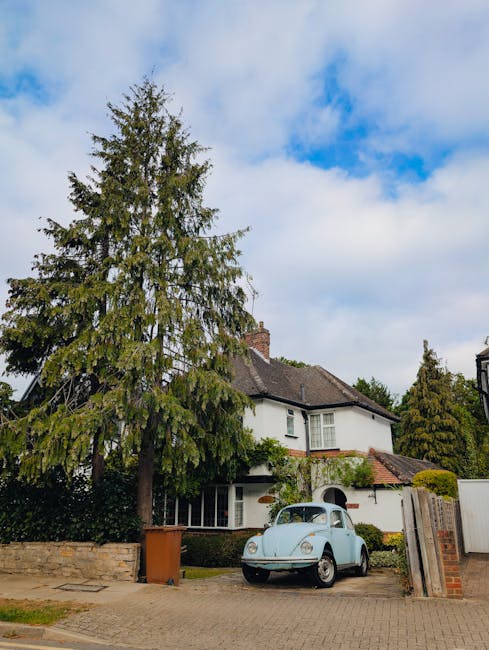
If you're arranging garden work in Finchley, driveway access can make the difference between a smooth job and a frustrating delay. It affects where tools are unloaded, how waste is removed, whether heavy kit can reach the rear garden, and how quickly a team can get started without disturbing neighbours or damaging surfaces. In short, What to know about driveway access for Finchley gardeners is less about the driveway itself and more about making the whole visit practical, safe, and efficient.
That matters even more in Finchley, where homes can range from compact terraces with narrow side access to larger properties with shared drives, steep entrances, or awkward turning space. A little planning upfront saves time later. It also helps keep lawn edges, paving, fencing, and planted borders in better shape - which is exactly what you want if you're investing in professional help from a local team.
Below, you'll find a plain-English guide to access planning, what gardeners usually need, common pinch points, and how to prepare your property so work gets done properly the first time. A small note, but an important one: the best access arrangement is not always the biggest driveway. It's the one that lets the job flow.
Why driveway access matters for Finchley garden work
Access is one of those things people only notice when it goes wrong. If a gardener has to carry bags of compost through the house, wheelbarrow waste across a lawn, or wrestle with a mower through a narrow side gate, the job takes longer and becomes more disruptive. That can affect finish quality too. Quite simply, easy access gives the team more energy for the actual gardening.
In practical terms, driveway access helps with:
- parking near the property without blocking neighbours or traffic
- unloading tools, turf, soil, timber, and other materials
- moving green waste out efficiently
- protecting paving, lawns, decking, and borders from repeated foot traffic
- reducing time spent carrying heavy kit by hand
For Finchley homes, there can be a mix of access styles: private drives, shared entrances, front garden runs, rear lanes, and narrow passages. A team that understands local garden layouts can plan around those constraints better. If your project includes broader outdoor improvements, it can also help to think about linked works such as landscaping services, lawn mowing support, or patio cleaning, because access affects all of them.
Good access is not a luxury. It's a workflow decision. And in a busy residential area, workflow matters more than people expect.
How driveway access works in practice
Most garden jobs begin with a quick access check. The gardener will want to know how they're getting equipment to the work area, where they can park, and whether any gates, steps, or surface protection are needed. If the driveway is available, the process is usually straightforward. The vehicle stops close to the property, tools are unloaded, and materials move in a sensible line rather than being ferried back and forth across the site.
Sometimes, though, access is only partial. For example, a drive may be wide enough for a van but not for an open tailgate. Or the driveway may sit close to a flowerbed, so a wheelbarrow route needs matting or boards to protect the edge. That's normal. Gardeners deal with these kinds of arrangements every week, and the right setup can still work well.
Here's the simple model:
- Assess the driveway - width, slope, turning space, parking options, and surface condition.
- Check the route to the garden - front gate, side passage, rear access, steps, and any bottlenecks.
- Plan the load-in/load-out - tools in, waste out, and where bulky materials will be staged.
- Protect surfaces - especially when moving bags, soil, paving slabs, or plant pots.
- Confirm timing - so the driveway is free when the team arrives.
This is where related services often overlap. If your garden job includes hedge cutting or tree work, access becomes even more important because branches, trimmings, and timber need a clean exit route. In those cases, hedge trimming and tree surgery benefit from clear vehicle access and a tidy waste route.
Key benefits and practical advantages
Good driveway access does more than save a few minutes. It can change the whole shape of the visit.
- Faster setup - tools come out of the vehicle and into use more quickly.
- Less physical strain - fewer long carries means less fatigue for the team.
- Cleaner site management - waste and materials move in controlled paths instead of across the whole garden.
- Better finish quality - less trampling around sensitive areas like fresh turf or borders.
- Lower risk of damage - fewer scrapes on walls, fences, gates, paving, and edging.
There's also a customer side to it. When access is properly planned, the work feels calmer. No one is rushing around at the start of the job trying to find the best place to park or the safest way to carry bags through the property. It sounds small. It isn't. A tidy start often leads to a tidier result.
For larger garden changes, access is especially important. If you're thinking about new seating, outdoor structures, or a wider redesign, then services like decking services and fencing work can bring in heavier materials that really benefit from a direct route.
Who this is for and when it makes sense
Driveway access planning is relevant for almost anyone booking garden work, but it matters most in a few common situations.
- Homes with limited side access - terraced properties, narrow passages, or enclosed rear gardens.
- Properties with shared driveways - where vehicle positioning has to be considerate and coordinated.
- Projects involving bulky materials - turf, gravel, timber, soil, paving, fencing panels, or waste removal.
- Regular maintenance visits - where repeated access needs a predictable, low-fuss setup.
- Garden makeovers - when multiple trades or services may be active over several visits.
If you're mainly arranging light maintenance - a tidy-up, border care, or mowing - the access demands may be modest. But if the visit includes pruning, redesign, hard landscaping, or debris removal, it's worth thinking it through properly. A driveway that seems "fine" on paper may still be awkward once a van arrives and a wheelbarrow has to turn a tight corner. Happens all the time.
For homeowners who want a simple, regular upkeep plan, it can make sense to pair access planning with a broader maintenance schedule such as garden maintenance in Finchley or a wider package of gardening services.
Step-by-step guidance
Here's a clear way to prepare driveway access without overcomplicating it.
- Measure the practical space. Not just the driveway itself, but the route from vehicle to working area. Note narrow gates, steps, slopes, and corners.
- Check where a vehicle can safely stop. A few extra feet can make loading much easier. Think about reversing, turning, and leaving enough space for pedestrians.
- Remove barriers early. Move bins, bikes, loose pots, toys, and anything else that might block the path. The usual clutter, basically.
- Protect vulnerable surfaces. If the job involves heavy materials, use boards, mats, or temporary runners where needed.
- Tell the gardener about special issues. Low branches, uneven paving, soft ground, fragile edging, or a shared entrance all matter.
- Confirm what will be moved through the access route. Waste bags, hedge cuttings, plants, timber, machinery, or soil all have different handling needs.
- Agree the parking and unloading plan before work begins. It saves time and avoids guesswork on arrival.
A useful habit is to walk the route once while holding a bag of compost or a toolbox. If it feels clumsy to you, it will feel clumsy on the day too. That's the moment where you catch problems early, not halfway through the job.
Expert tips for better results
Small details make a big difference here. A good access plan is usually invisible; you only notice it because the day runs smoothly.
- Use the shortest sensible route. Don't take waste through the garden if the driveway route is easier and cleaner.
- Think about surface grip. Wet leaves, moss, or a sloping drive can become slippery, especially in autumn and winter.
- Protect edging and borders. Repeated turning of a wheelbarrow can crush soft edges if you don't guide the route.
- Keep the access line clear until the job is done. It's tempting to move things back early. Resist that urge.
- Plan for waste as well as delivery. People often think only about how materials get in, then forget how cuttings and rubble get out.
If your garden has climbing growth, overgrown edges, or awkward screening, access can be improved as part of the work itself. That's one reason a tidy-up before a bigger project may include landscaping, hedge trimming, or even advice drawn from combating ivy growth. Clearer access usually starts with removing what blocks the route.
And one more thing: if you have pets or children at home, ask how the access route will be kept safe during the visit. A gate left open for twenty minutes is one thing. A gate left open all afternoon is another.
Common mistakes to avoid
Most access problems are avoidable. Usually, they come from underestimating the practical side of garden work.
- Assuming the team can "just manage". They often can, but the result may be slower and more disruptive.
- Leaving cars on the driveway without warning. This can force parking too far away and slow everything down.
- Forgetting about waste removal. A tidy final stage depends on a clear way out.
- Ignoring gate width or height restrictions. A machine or large panel may not fit where you expect.
- Not checking shared access arrangements. Neighbours, tenants, or co-owners may need advance notice.
- Trying to protect surfaces with the wrong material. Thin cardboard under heavy loads, for instance, rarely does much good.
There's also a subtle one: people sometimes overfill the drive with parked cars, garden furniture, or storage items because they don't want to "make a fuss". Fair enough, but it usually creates more fuss on the day. A little preparation is easier than a rushed workaround.
Tools, resources and recommendations
You do not need specialist equipment to prepare for driveway access, but a few simple items help a great deal:
- Wheelbarrow or garden trolley for controlled movement of cuttings, soil, and tools
- Ground protection mats or boards for delicate paving, lawns, or resin surfaces
- Reusable sacks or trugs to organise waste and materials
- Measuring tape to check gate width, turning space, and vehicle clearance
- Basic masking or marker tape to show temporary routes during larger projects
- Outdoor lighting if access starts early or ends late in poor light
For homeowners planning a broader refresh, a few relevant reading points can help you think beyond the driveway itself. Choosing the right garden tools makes access easier because the right kit is smaller, lighter, and better organised. Organic waste recycling also matters if you want to reduce the volume of waste leaving the site. And if you're planning a more complete outdoor redesign, a garden makeover is often the point where access planning really pays off.
If your garden includes decking, paved areas, or seating spaces, those materials and layouts may slightly change the route. That is normal. It just means access should be planned alongside the project itself rather than after it.
Law, compliance, standards, and best practice
For most residential garden visits, driveway access is guided more by good practice than by complex legal rules. Still, there are a few sensible things to keep in mind in the UK.
First, if a driveway is shared, private, or part of a lease arrangement, the relevant access expectations may come from your property agreement or neighbour arrangement. It's wise to avoid blocking shared entrances or assuming you can use space that belongs partly to someone else. If you're unsure, check before the visit.
Second, workers should be able to move safely on site. That means clear paths, reduced trip hazards, and sensible parking. If the route is steep, uneven, or slippery, it's best practice to slow down, add protection, and avoid rushing with heavy items. No one benefits from a cracked pot or a strained back.
Third, waste should be handled responsibly. Garden clearances can produce green waste, soil, timber, and mixed debris, and the team should plan for lawful, tidy removal. The exact handling method depends on the job, so it's best discussed in advance.
Finally, if access involves any public footway, roadside parking, or obstruction near the highway, extra care is needed. Local conditions and permissions can vary, so the safest approach is to keep the setup simple and low-impact whenever possible.
For bigger or more technical work, especially where trees or structures are involved, it can be sensible to choose a provider with established processes and a clear approach to site safety. You can learn more about the team's approach on the about us page.
Options, methods, and comparison table
Not every garden needs the same access setup. The right method depends on the job size, the site layout, and how much material needs moving.
| Access method | Best for | Pros | Watch-outs |
|---|---|---|---|
| Direct driveway parking | Routine maintenance, light pruning, mowing, general visits | Fast setup, easy unloading, low disruption | Needs enough clear space and sensible vehicle positioning |
| Driveway plus side access | Most domestic gardens with a rear working area | Flexible, helps separate materials in and waste out | Narrow gates or steps can slow movement |
| Shared access arrangement | Terraced homes, flats, and properties with shared drives | Works well if planned early and communicated clearly | Requires consideration for neighbours and timing |
| Front-to-back carrying route | Homes without drive access to the rear | Often the only option, still workable with care | More time, more carrying, higher surface wear if not protected |
For many Finchley gardens, the best answer is a blend: park on the drive if possible, use a protected route to the working area, and plan a clean return path for waste. Simple. Not glamorous, but effective.
Case study or real-world example
A typical local scenario might look like this. A homeowner in Finchley books work that includes hedge trimming, border tidy-up, and removal of cuttings. The driveway is available, but the side gate is narrow and the path has a slight slope. The first instinct is to carry everything through the garden. That would work, but not well.
Instead, the team parks as close as possible on the drive, lays temporary protection near the path, and uses smaller loads in and out. Waste is bagged in stages rather than piled up at the end. The hedge cuttings never cross the lawn twice. The patio stays cleaner. The job finishes with less fuss, and the driveway barely shows that anything happened.
That kind of setup matters even more when the work stretches beyond a simple tidy. If the project expands into new edging, structural changes, or better outdoor flow, access planning becomes part of the design process. A project that starts with a clear route tends to finish more neatly too. You can almost hear the difference - less clatter, fewer pauses, more steady progress.
And yes, sometimes the "best" access route is the one that looks a little less obvious at first glance. The shorter path is not always the smarter path.
Practical checklist
Use this before the gardeners arrive:
- Confirm whether the driveway will be clear on the day
- Move cars, bins, bikes, and other obstacles
- Check gate width and route clearance
- Identify any steps, slopes, or slippery sections
- Protect delicate paving, lawn edges, or decking if needed
- Tell the team about shared access, neighbours, or timing limits
- Make sure waste removal has a sensible route out
- Keep pets and children away from the working path
- Leave lighting on if the route may be dim
- Ask questions before the job starts, not during the rush
If you're planning a more seasonal tidy-up, a broader approach to upkeep can help. For example, pairing access planning with winter plant protection or storm-resilient garden care can make the whole outdoor space easier to manage in tougher weather.
Conclusion
Driveway access may not be the most glamorous part of garden work, but it is one of the most useful things to get right. Whether the job is a light seasonal tidy or a fuller outdoor refresh, the access route affects speed, safety, mess, and the overall finish. A clear driveway, a sensible unloading point, and a protected path to the garden can make the difference between a good experience and a stressful one.
For Finchley homeowners, the main idea is straightforward: plan the movement before the digging starts. That one habit protects surfaces, saves time, and helps the team focus on the work that actually improves the garden. And honestly, that is where the value is.
Get a free quote today and see how much you can save.
When access is handled well, the whole garden feels easier to live with. Cleaner, calmer, and just a bit more looked after.


Possessing many years of experience in the gardening business, Don emerges as a skilled author who can write a variety of articles covering a wide range of landscaping topics. His proficiency has proven crucial in assisting thousands of individuals with their gardening needs.